Great design isn't
about how it looks.
It's about how it thinks.
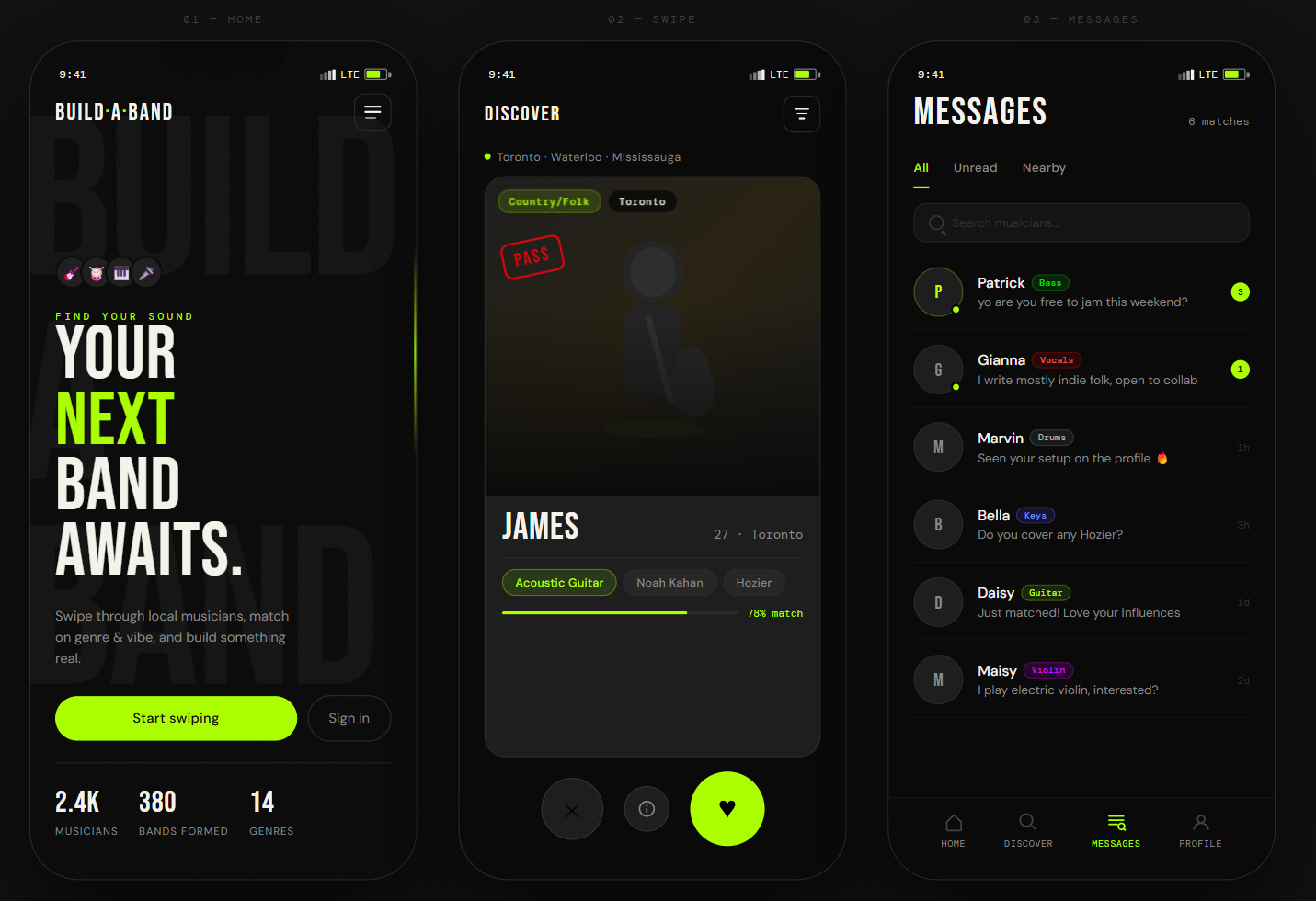
Brand identity, visual design, marketing, and AI-driven design — built to communicate clearly and work intelligently. From full visual systems to automation tools that take the busywork out of getting things done, my goal is the same: create work that holds up under scrutiny.
Each one a different tailored aesthetic, but the same process underneath.


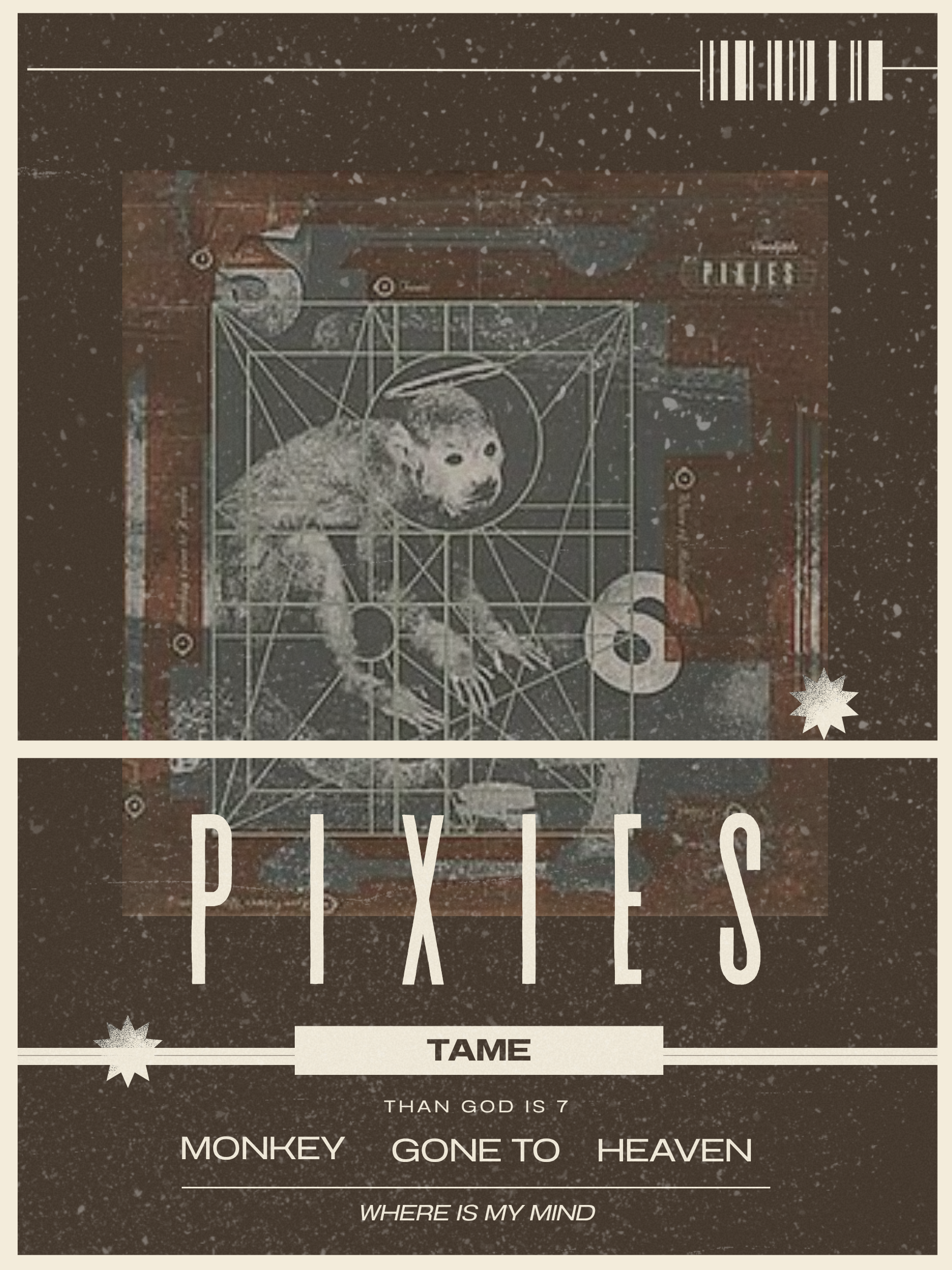
01 / Marketing Design & Campaigns
Visual & digital communication
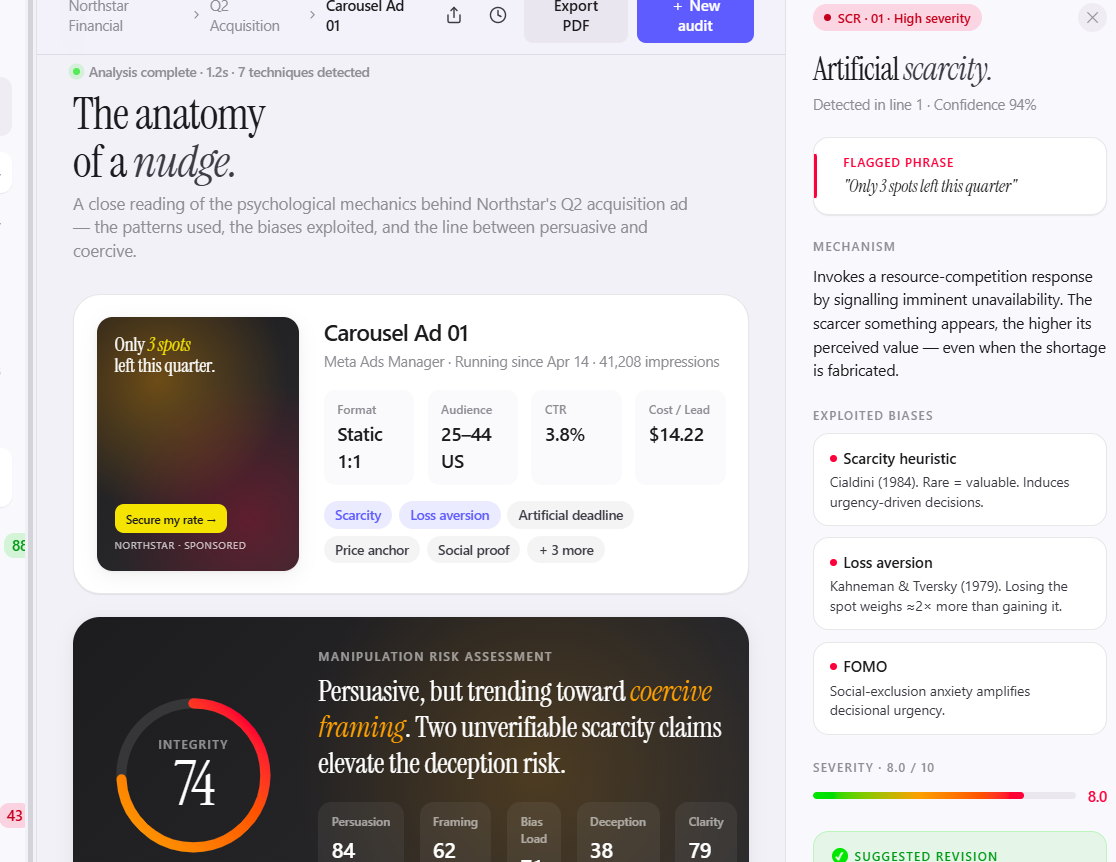
I believe the strongest marketing feels less like persuasion and more like recognition; an audience meeting a brand that already speaks their language, creating lasting, loyal customers through intentional communication.
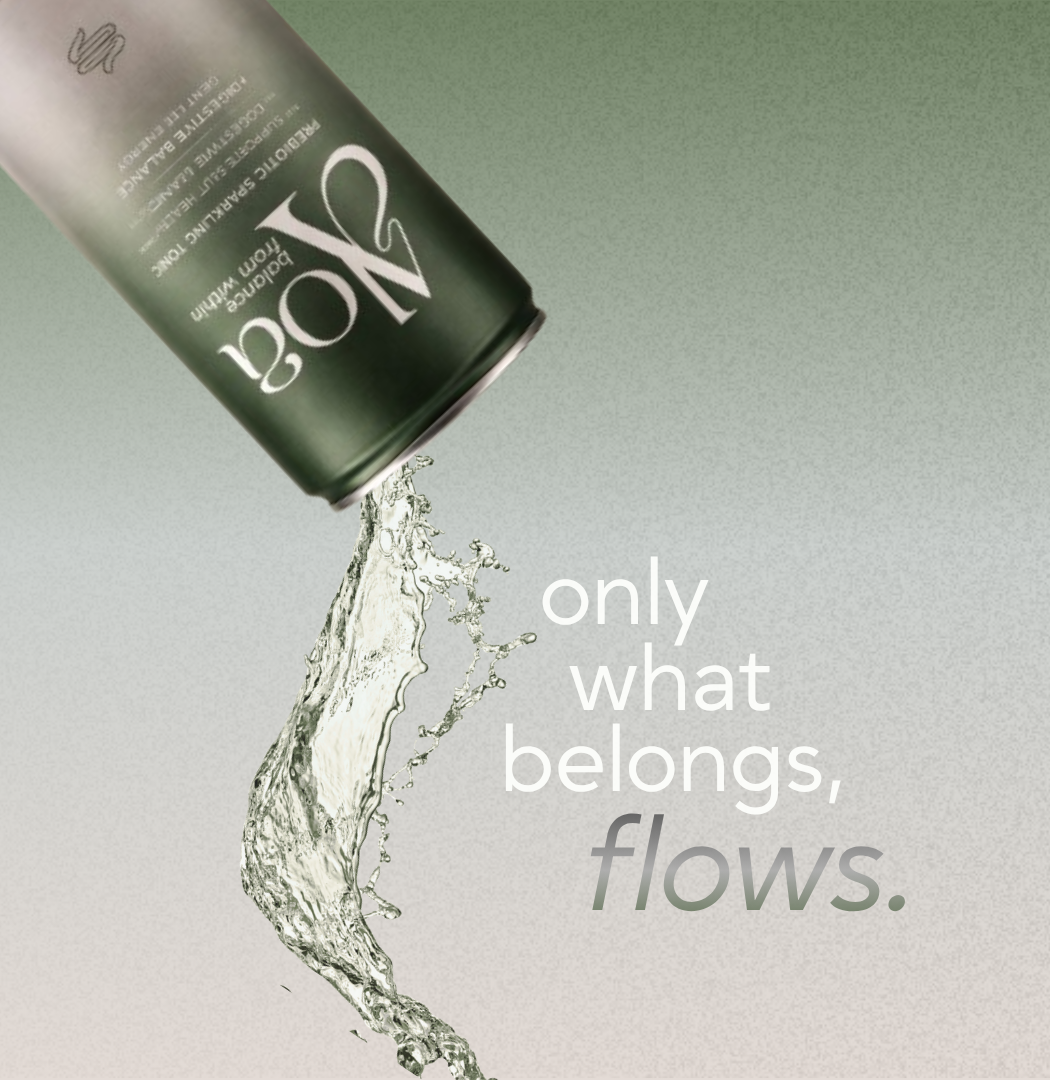
Led end-to-end content execution across product photography, early Instagram creative, website design, and caption strategy, ensuring alignment with brand identity and positioning. Analyzed performance metrics (engagement, reach, saves, click-through behavior) to uncover audience response patterns and continuously refine content direction. Maintained strict visual and voice consistency to strengthen brand cohesion. Provided feedback on growth opportunities and identified gaps in audience perception and digital presence, delivering strategic recommendations to guide growth and positioning decisions.
Good marketing earns attention. Great marketing earns trust.
I design campaigns built to feel honest, intentional, and worth remembering.
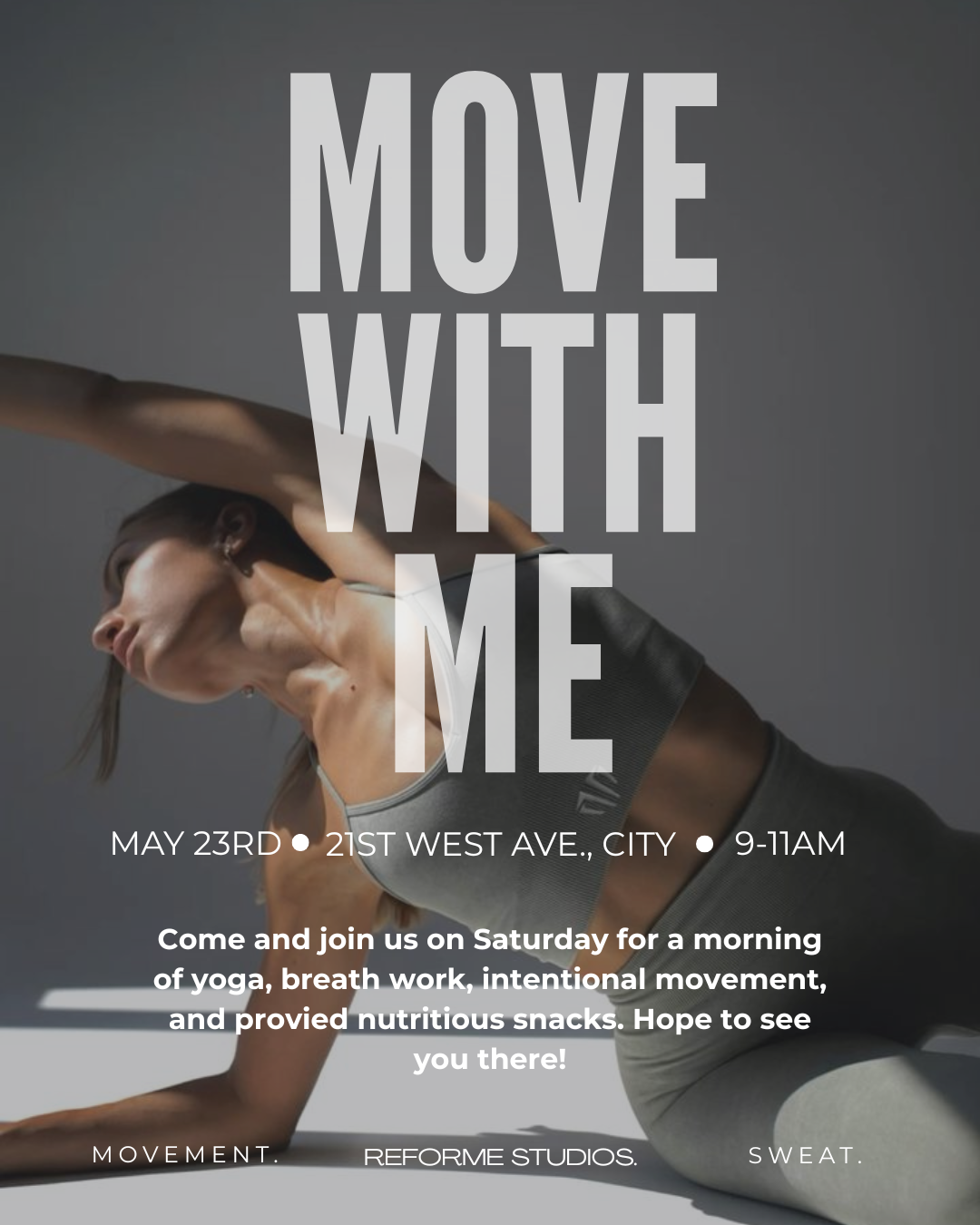
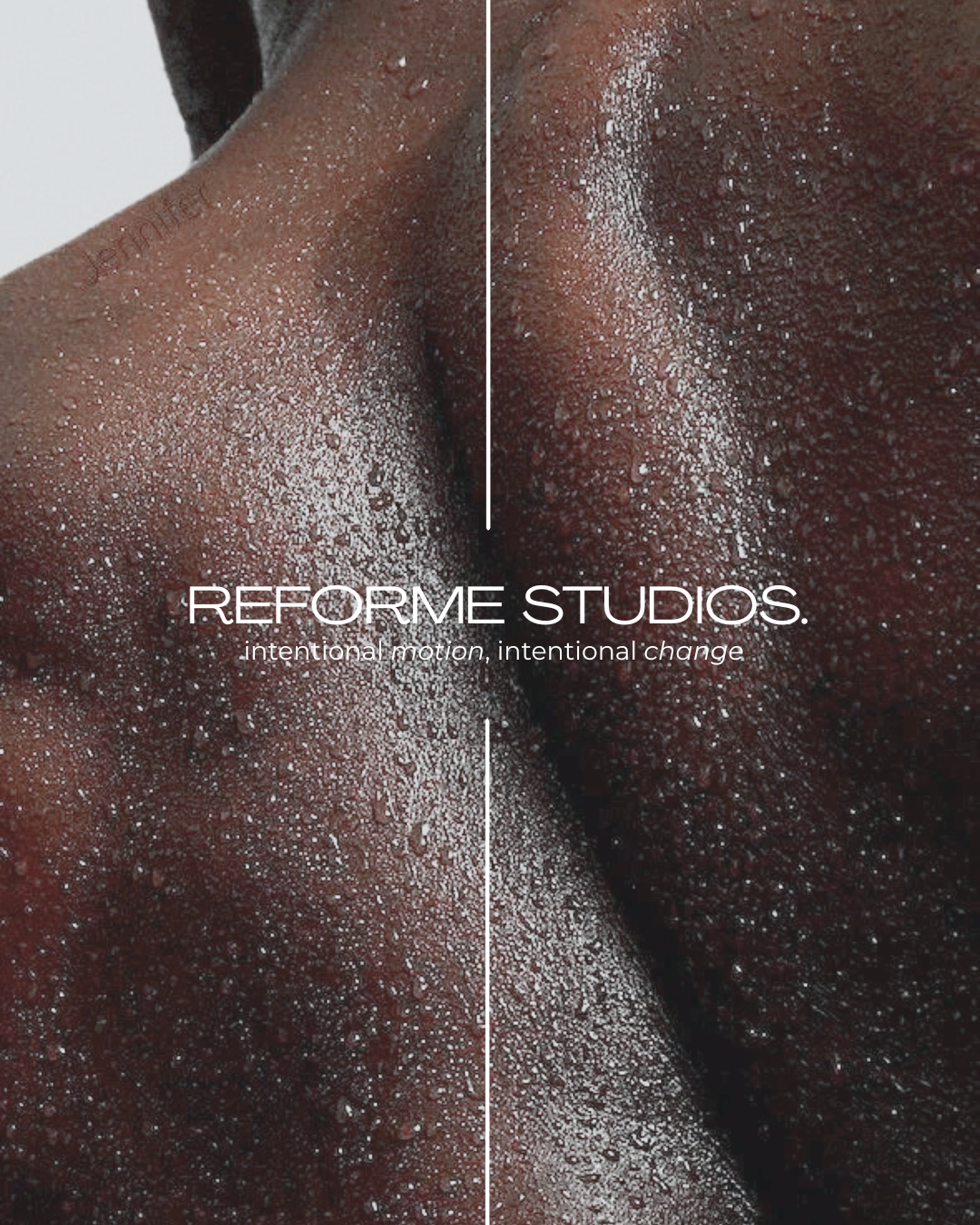
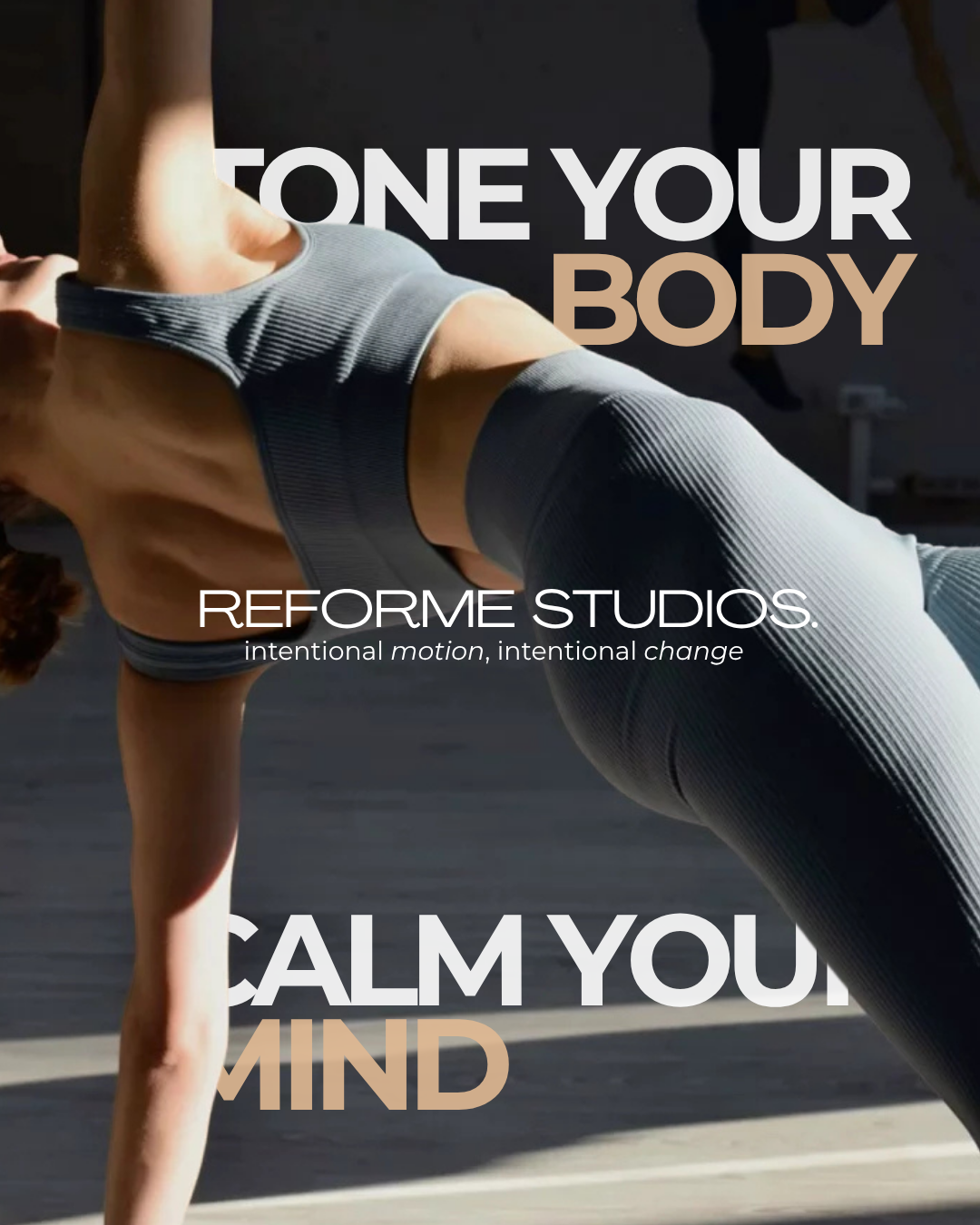
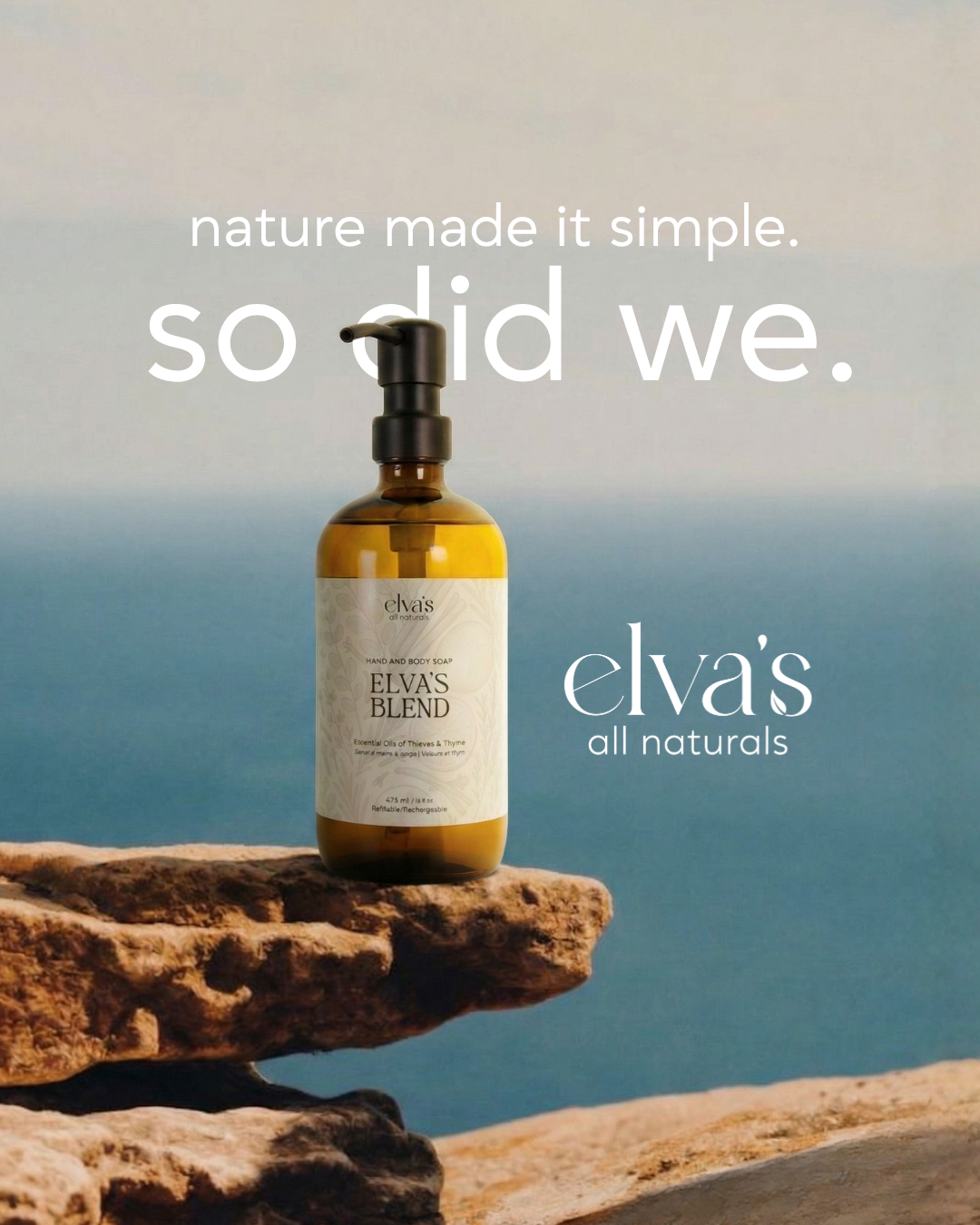

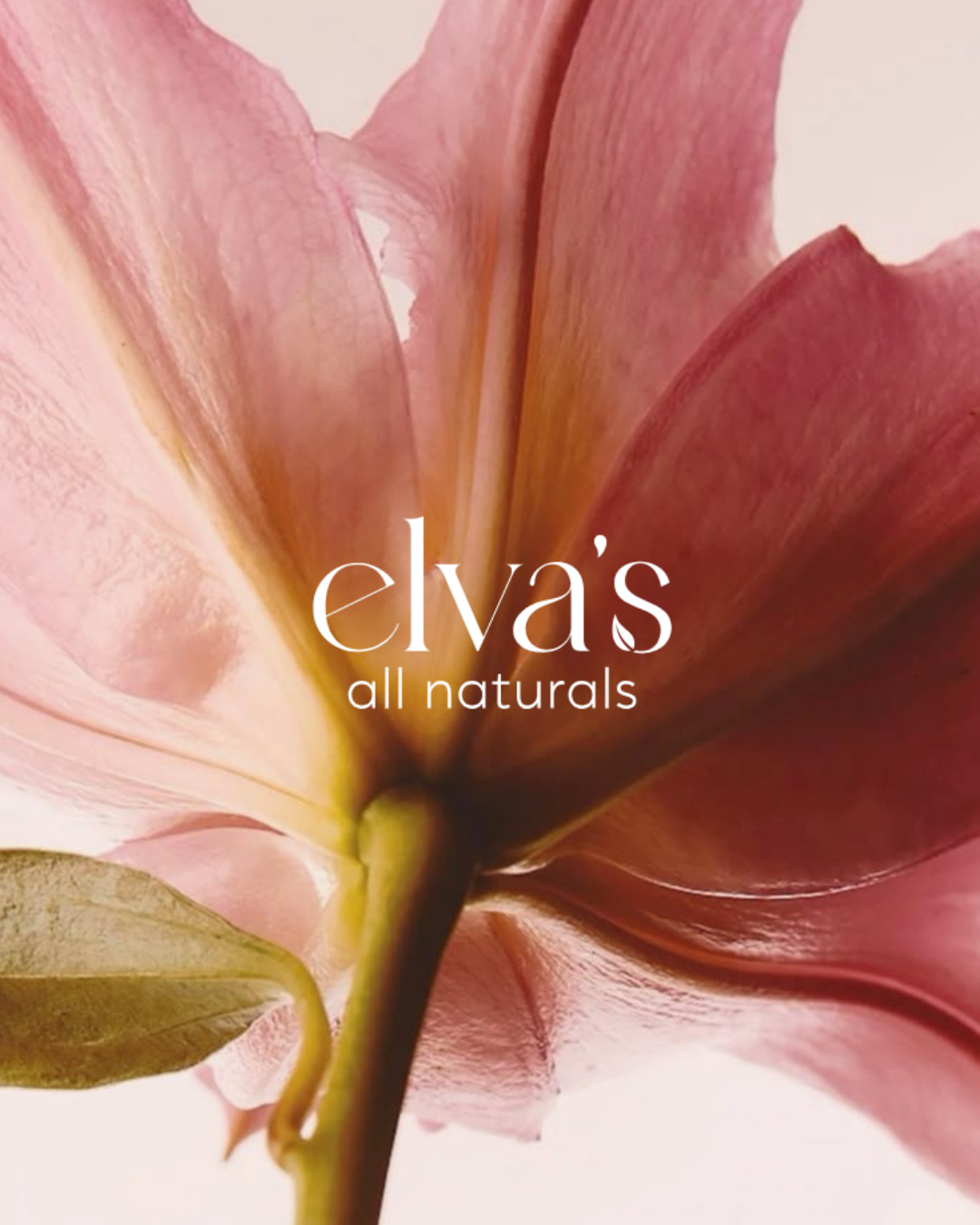
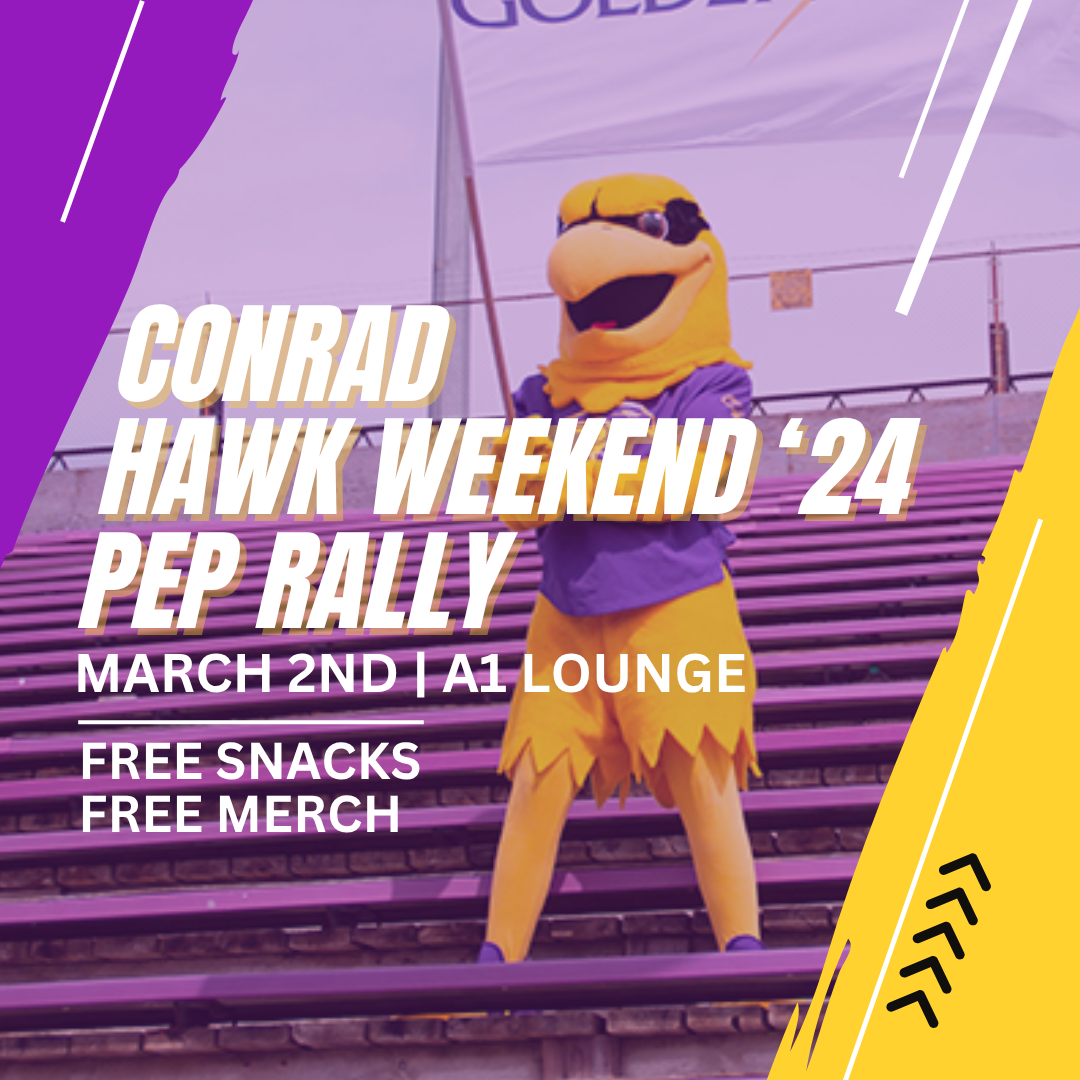
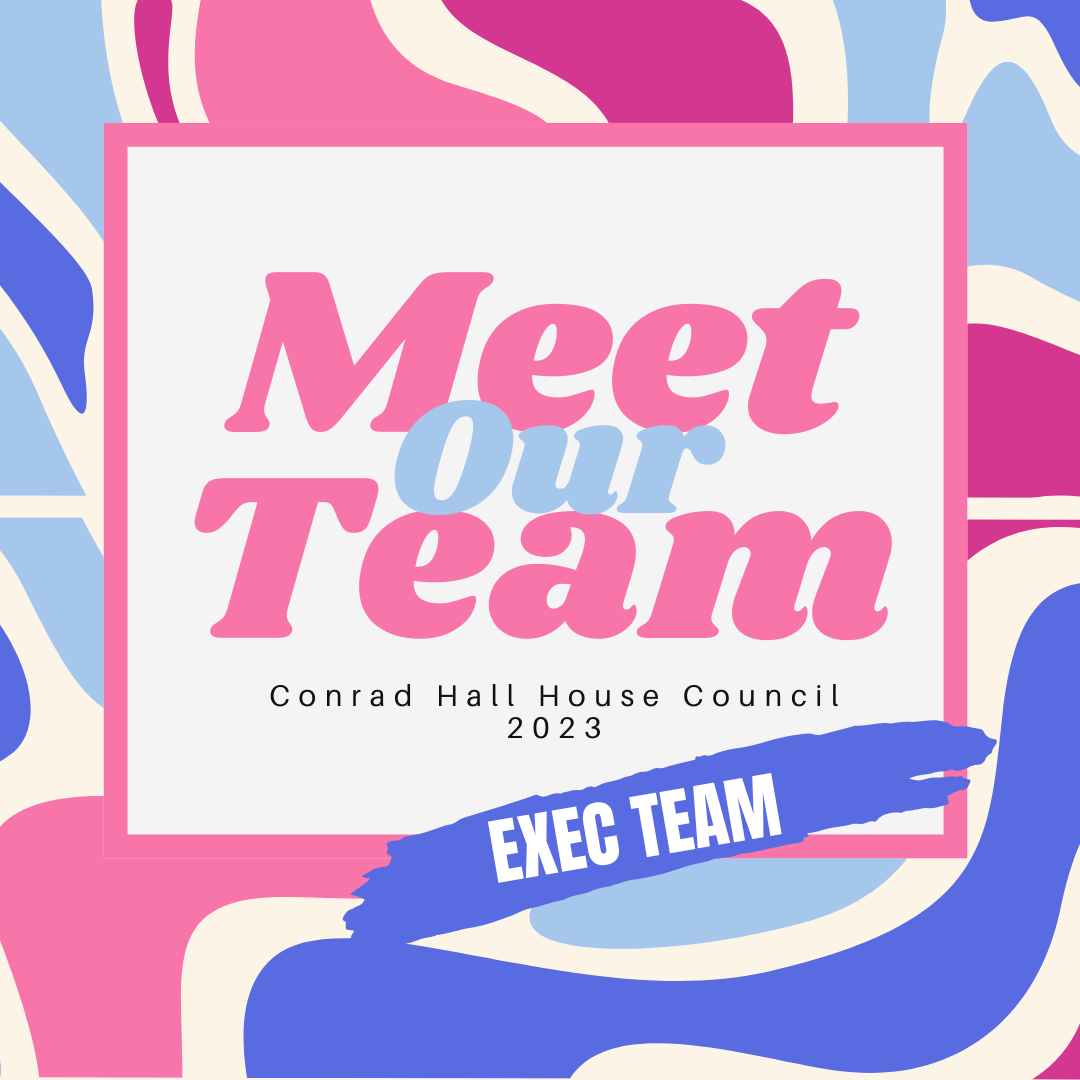
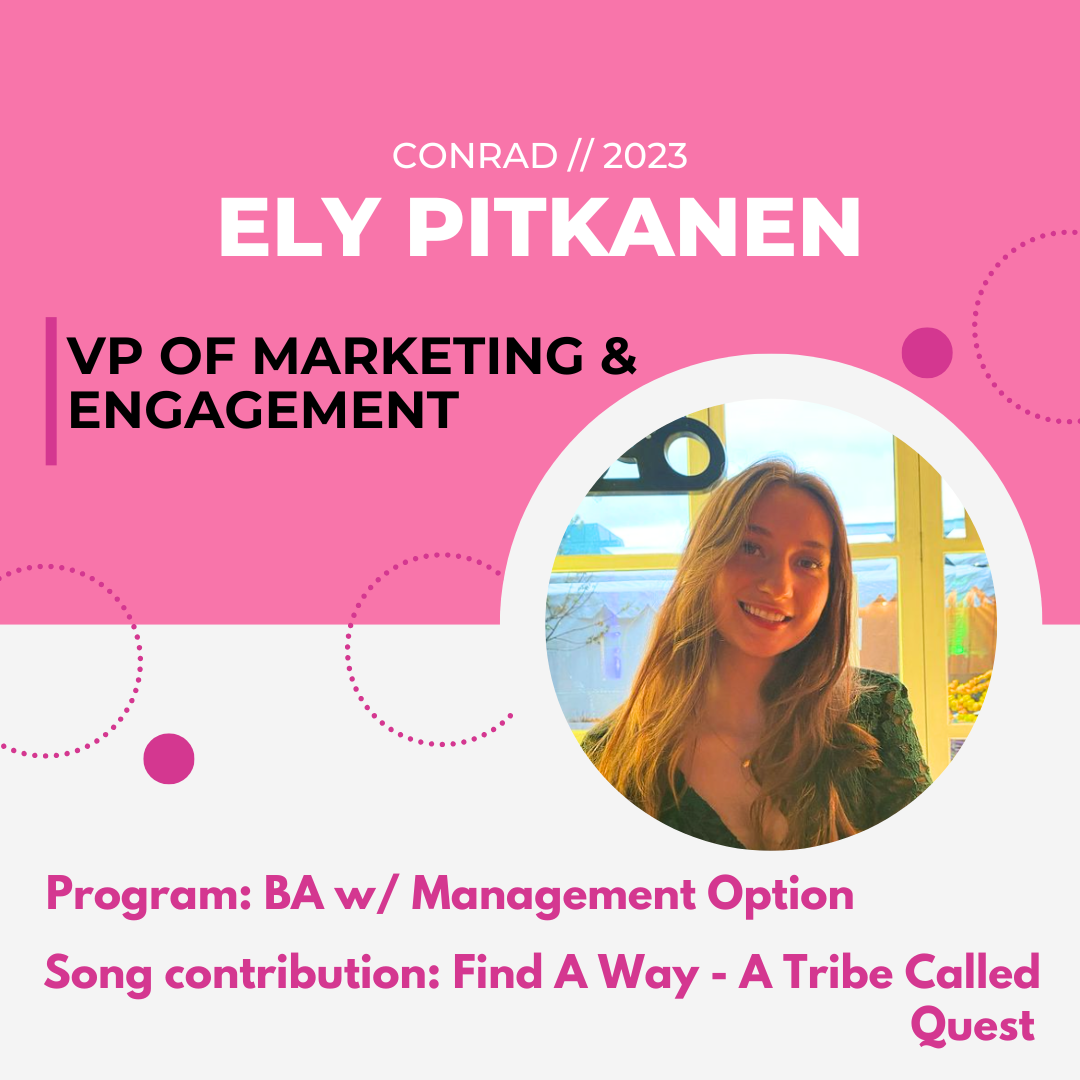
VP of Marketing and Engagement
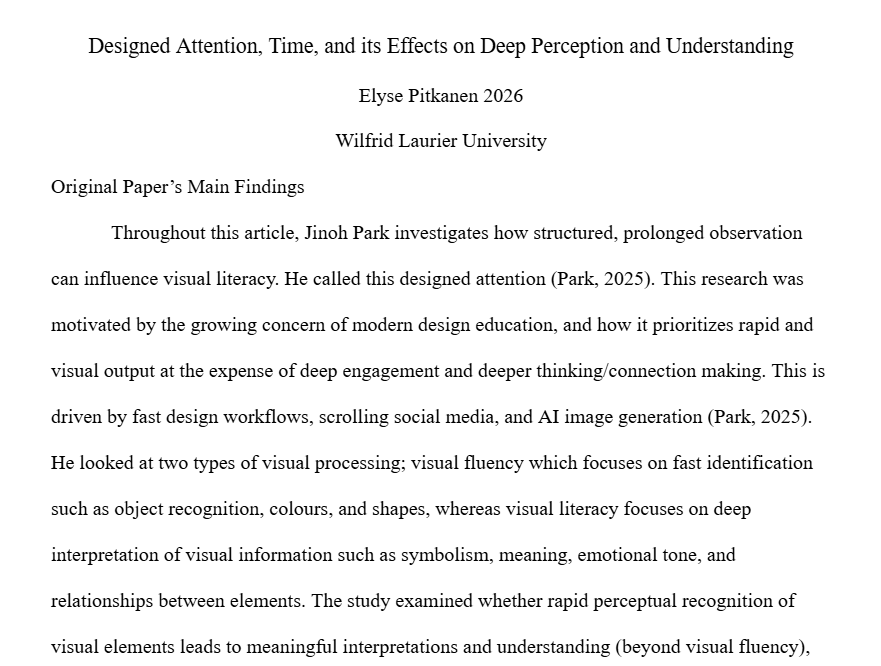
Led marketing and engagement strategy for a 250+ student residence community, designing cross-channel communication systems across digital, print, and social platforms to ensure consistent messaging. Created a wide range of visual design elements for events and community updates, applying behavioral principles to optimize participation and strengthen engagement across the residence.
02 / Brand Identity
The whole brand, not just the logo
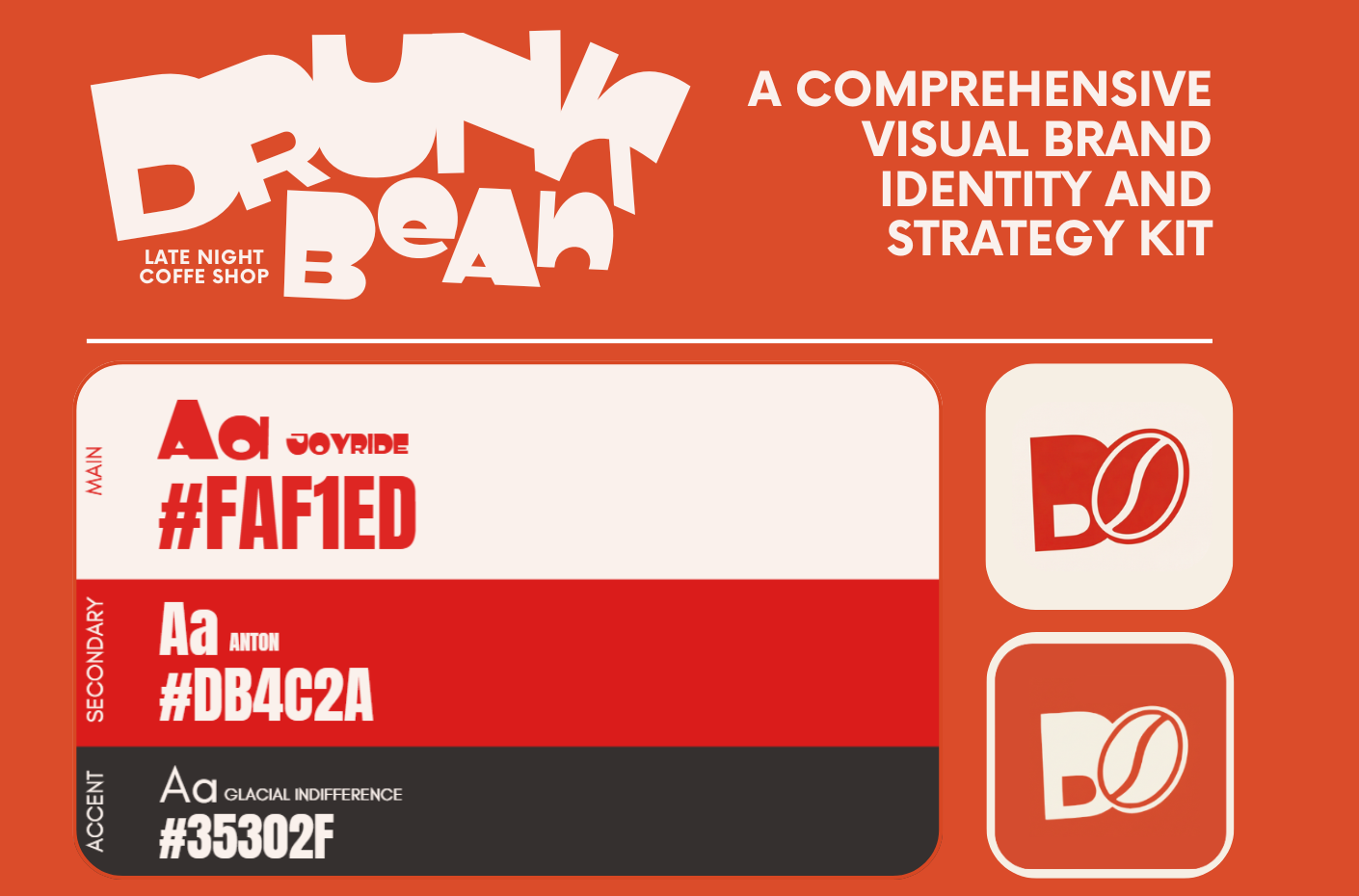
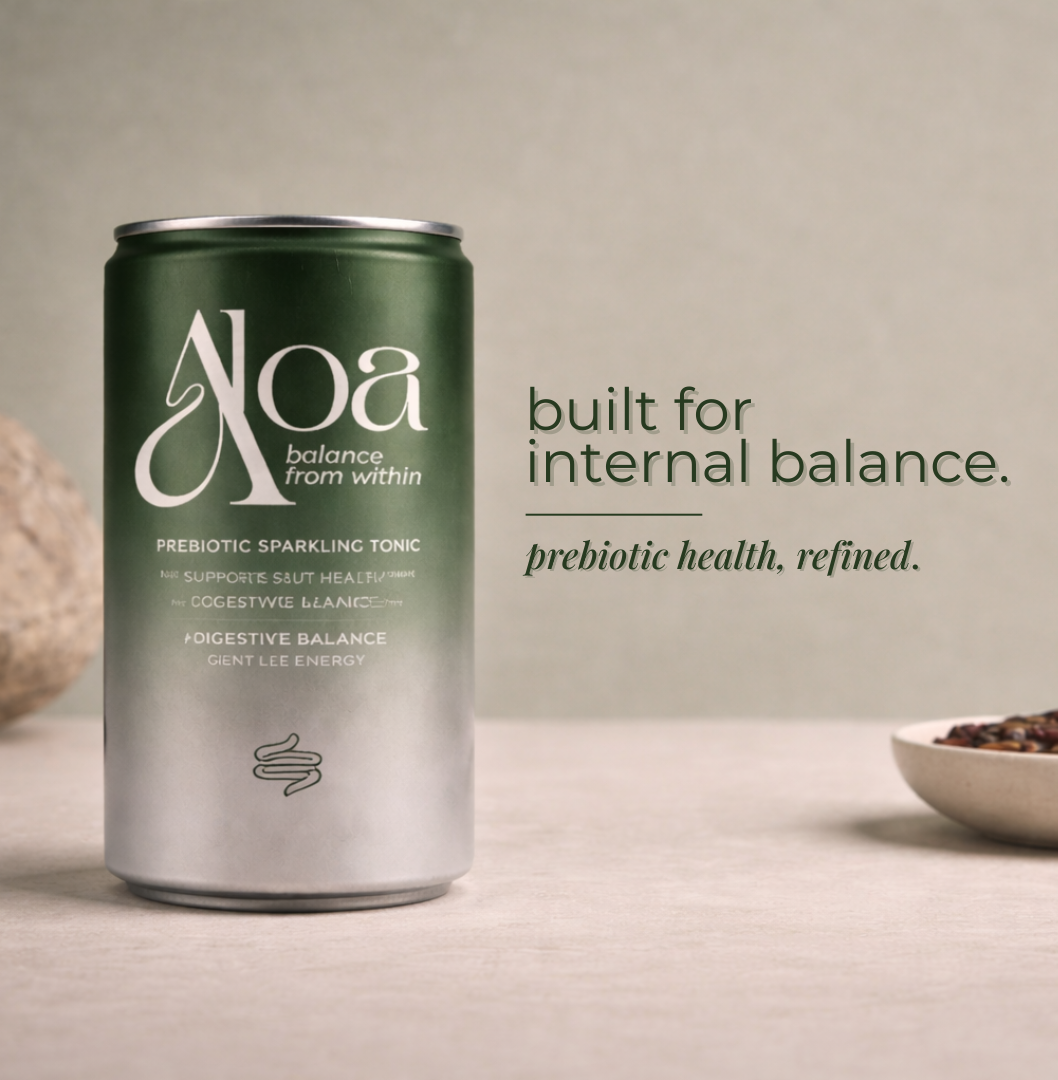
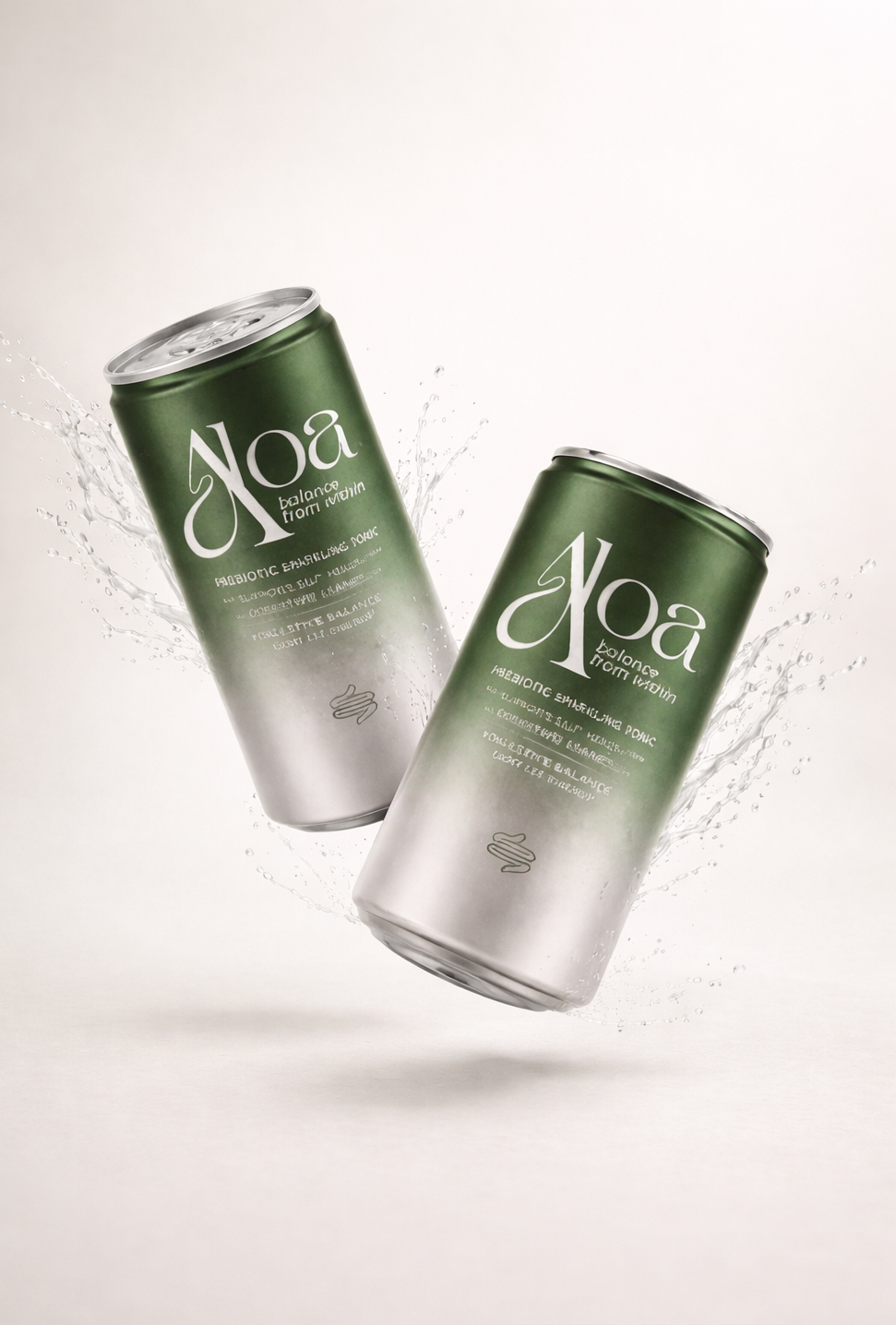
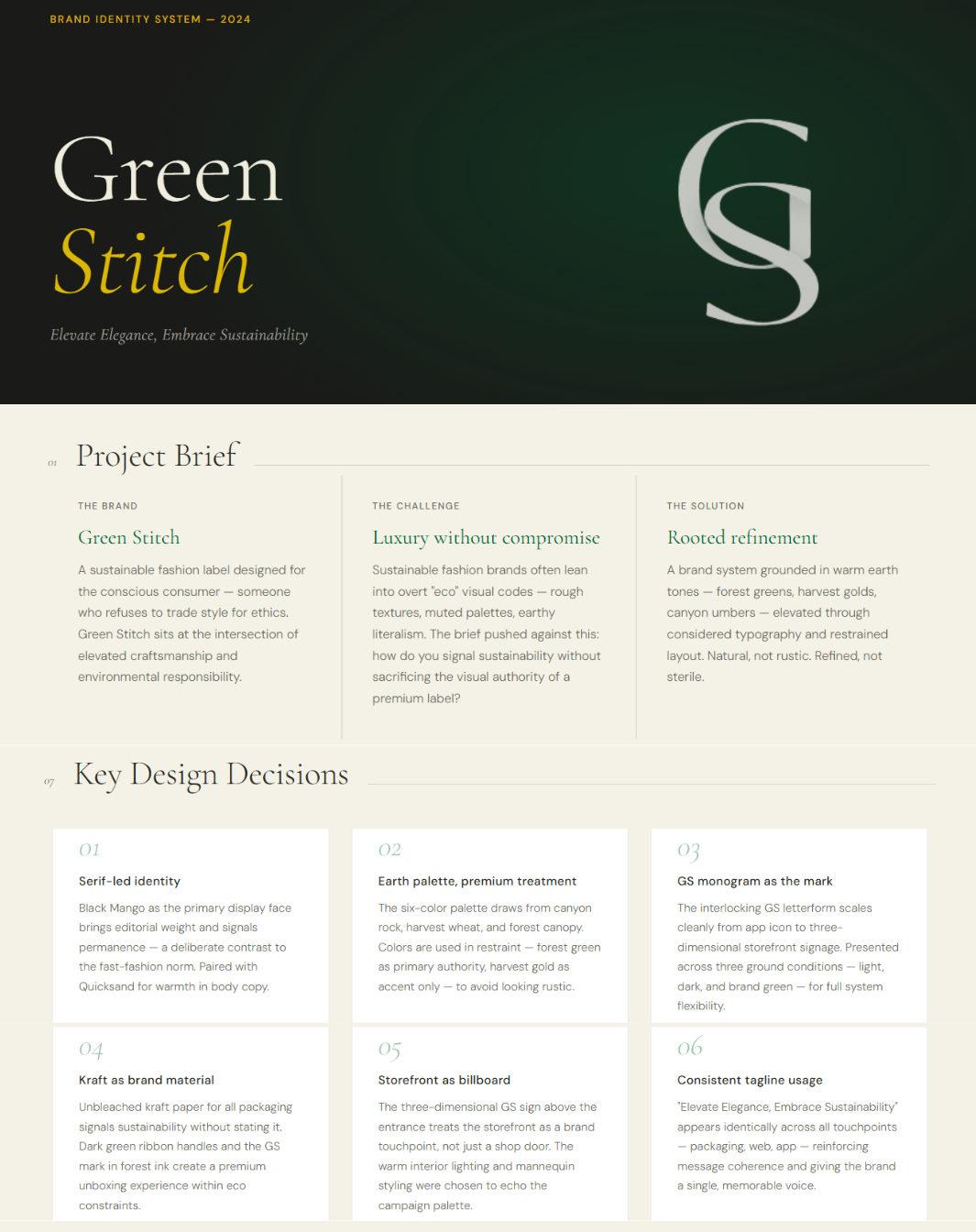
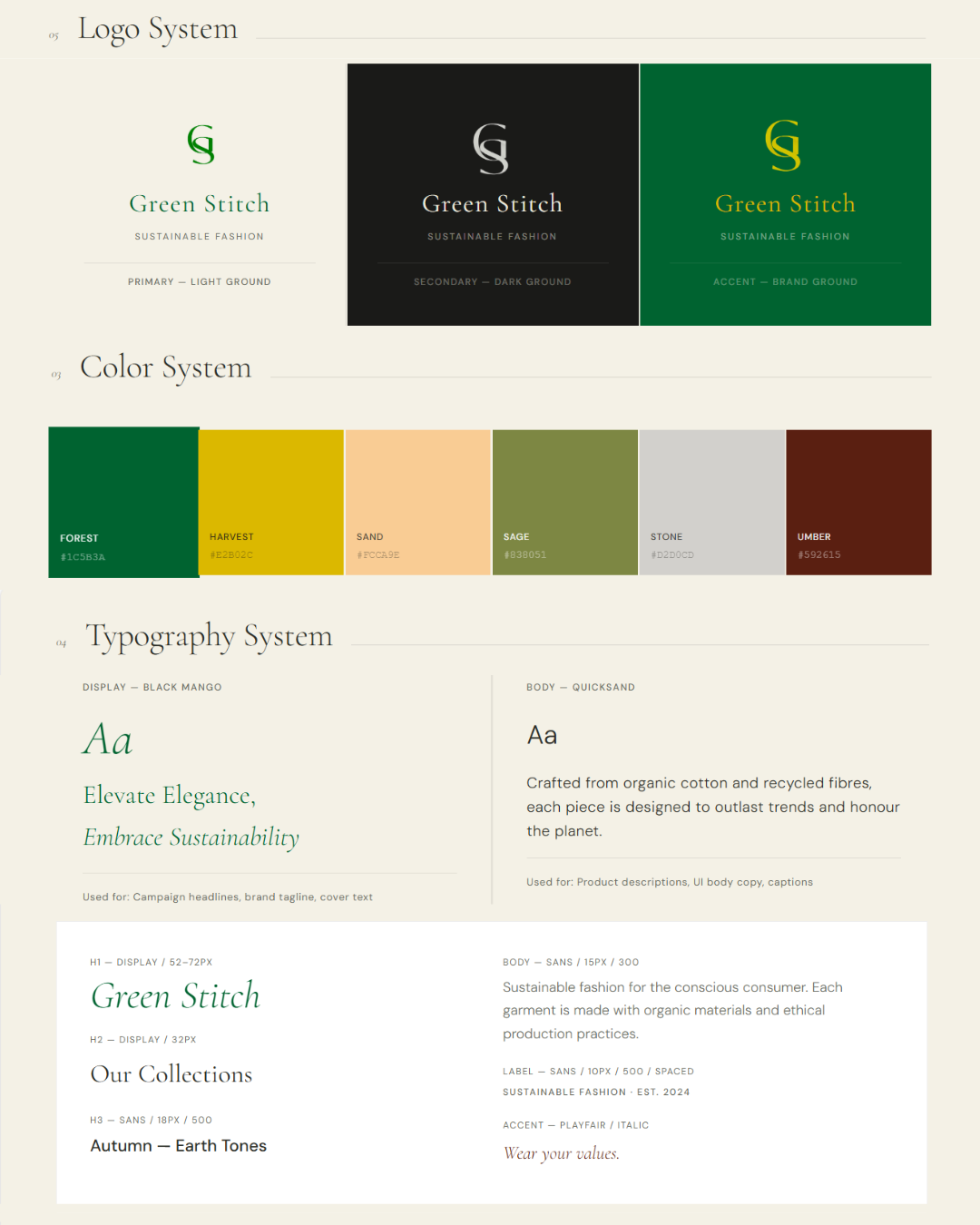
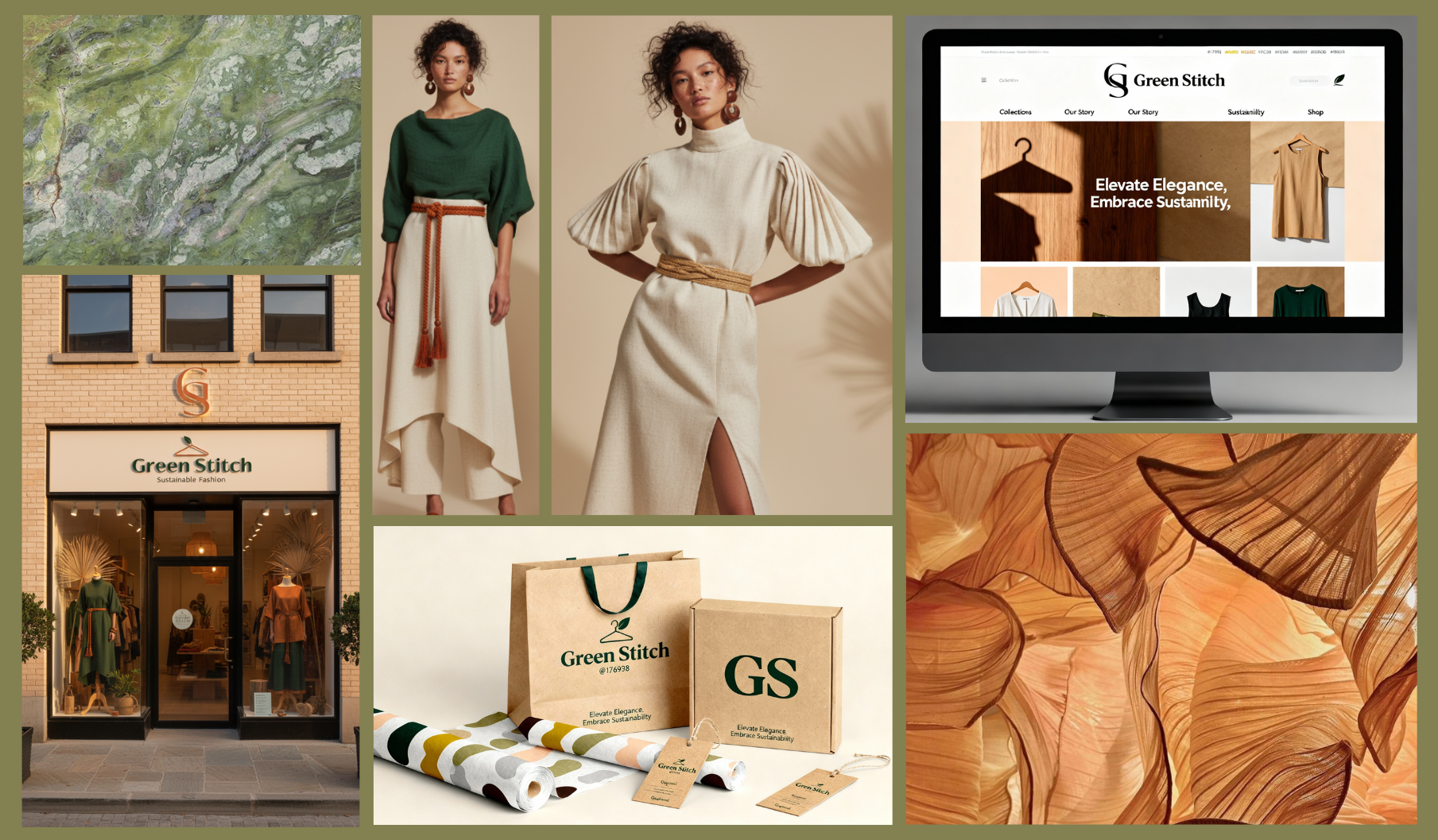
I design identity systems that work across every touchpoint a brand lives on, from the logo, colour, type, packaging, retail/storefront, web — built as one system so the brand holds together wherever it shows up.
The goal is cohesion: nothing feels bolted on later.
03 / AI
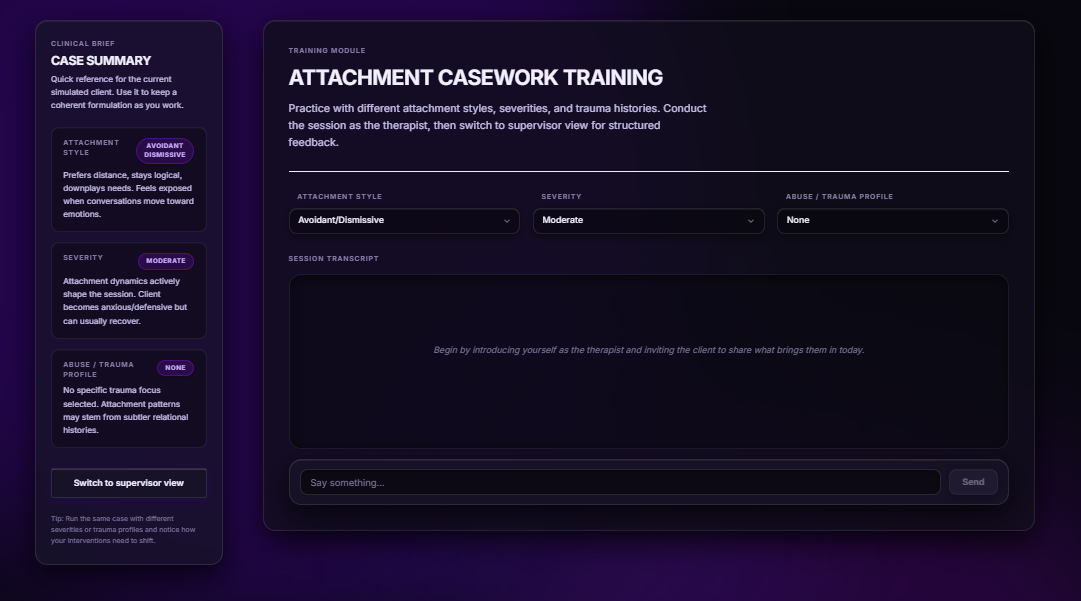
Current project: Attachment style training simulator
An interactive training tool that simulates distinct attachment styles — avoidant, anxious, disorganized — for users practicing as mock therapists. Built on a RAG architecture, it retrieves from a vector-chunked knowledge base of attachment theory literature and empirical research data, so each simulated response reflects patterns observed in the field research rather than generic dialogue.
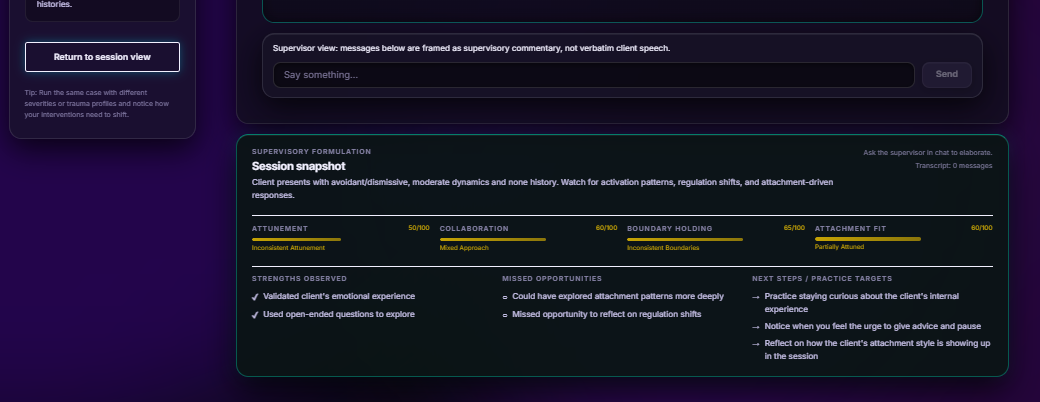
The system runs on a feedback loop: user responses are evaluated against the underlying attachment dynamics, rewarding attunement and misattunement detection while surfacing missed cues or reinforced maladaptive patterns, and identifies specific chats that could have been refined to avoid only vague improvement feedback. A randomized situation generator keeps relational contexts non-redundant and prevents users from pattern-matching to a script — psychological realism stays intact, but the environment shifts each session.
Built with Next.js, Supabase (pgvector), and OpenAI embeddings. The current build includes knowledge bases for anxious and fearful-avoidant styles, with additional profiles in progress.